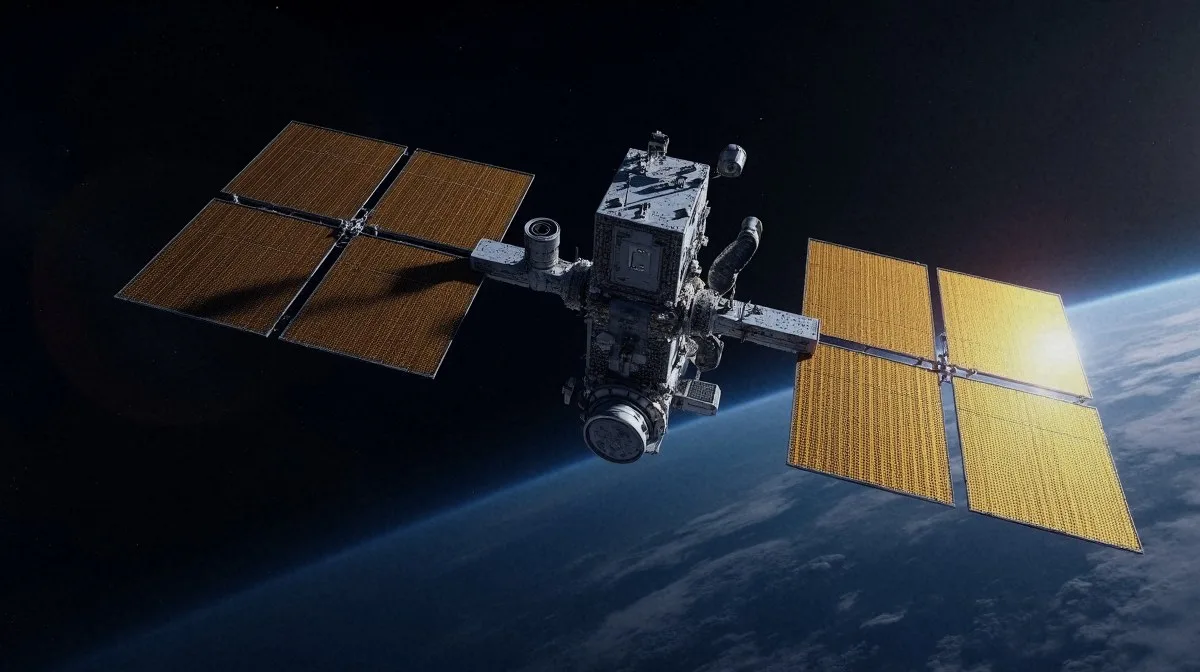
On April 21, 2026, the Federal Communications Commission (FCC) granted AST SpaceMobile a limited license for emergency Telemetry, Tracking & Control (TT&C) operations in the 430-440 MHz amateur radio band, specifically for use outside the United States.
Monitoring data from the SATNOGS network indicates otherwise. According to those reports, AST SpaceMobile has been operating outside the authorized terms, with interference observed across North America and Europe. That gap between the narrow conditions written into the license and real-world detections has ignited opposition from the global amateur radio community and raised hard questions about spectrum management and about the precedent set when a commercial operator is given access to a band that has traditionally been non-commercial.
What the license permits, and what it does not
- Whether each TT&C event stays within the 24-hour limit
- Whether transmissions stay inside the five authorized 50 kHz channels
- How "no other spectrum available" is independently verified and enforced
- Whether foreign administrations authorize the five specified non-U.S. earth stations
The authorization covers AST SpaceMobile's entire planned constellation of 248 satellites. It is conditional rather than routine: operations are permitted only in emergencies when other spectrum is unavailable, and each event is limited to a maximum of 24 hours.
Transmissions are also restricted to five narrow 50 kHz channels, which keeps the authorized footprint small in bandwidth terms even though the satellite count is large.
During the FCC proceeding, more than 2,500 comments were filed by organizations including the International Amateur Radio Union (IARU) and ARRL (The National Association for Amateur Radio®). Those filings centered on two concerns: the potential for interference in a heavily used band, and the precedent of a commercial entity drawing on amateur spectrum at all.
The fight over Article 4.4
A core point of contention is the legal mechanism the FCC relied on. The IARU criticized the FCC's use of Article 4.4 of the International Telecommunication Union (ITU) Radio Regulations, arguing it was an inappropriate mechanism for assigning frequencies to a commercial service when dedicated satellite TT&C bands already exist and should have been prioritized.
 Joey Cedé / Pexels
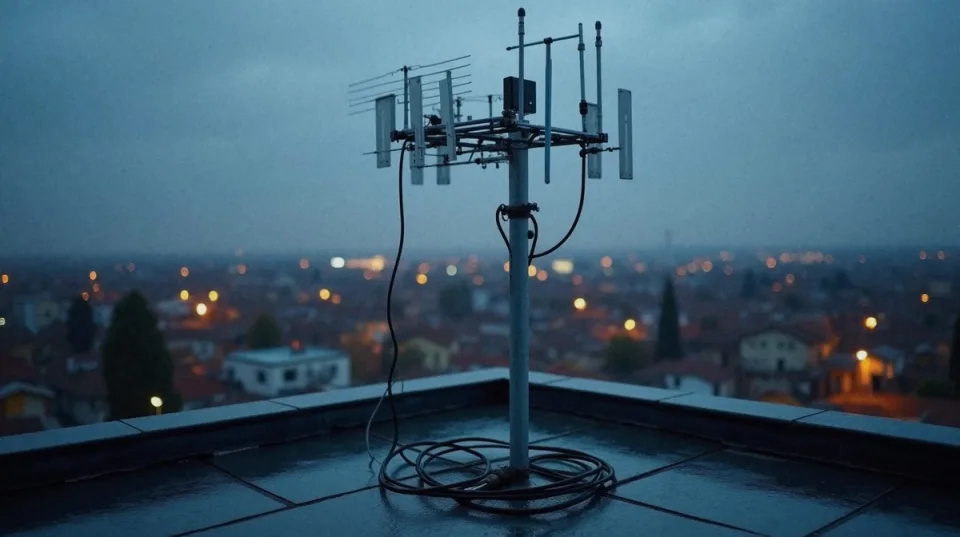
That objection points to a deeper debate about international spectrum management principles. Article 4.4 allows administrations to authorize non-standard frequency use provided it does not cause harmful interference. For the amateur community, the worry is what the decision invites: a "spectrum plunder" over regions such as Europe, where 430-440 MHz is heavily relied upon for critical amateur activities, including emergency communications.
AST SpaceMobile's defense
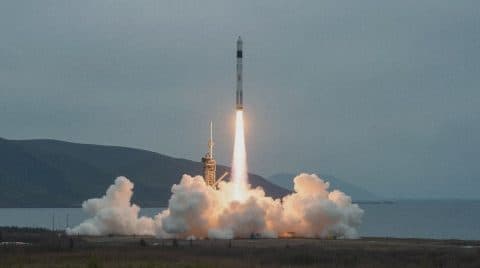
AST SpaceMobile aims to provide direct-to-smartphone satellite connectivity globally. It defended its request by asserting that its satellites are designed to mitigate interference and that the proposed use is "very limited, non-routine," intended only for emergencies or the Launch and Early Orbit Phase (LEOP).
The company submitted a third-party analysis estimating an "extremely small" probability of interference to amateur satellite services: less than 0.1% per pass, or less than 47 seconds annually. AST SpaceMobile also holds authorizations for routine TT&C in other bands, such as the 2000 MHz S-band, which indicates the amateur band use is intended as a fallback rather than a primary link.
What is still undefined
Two gaps sit at the center of the dispute. The first is definitional: there is no clear, publicly available definition of what constitutes an "emergency" for AST SpaceMobile's TT&C operations. The second is procedural: it is not clear how "no other spectrum available" would be independently verified and enforced.
Those gaps matter because of the detections amateur groups report. If the authorization is narrow, conditional, and tied to events that are supposed to be rare, then verifying compliance depends on monitoring that can catch short, sporadic transmissions in time to matter. The reported observations raise questions about how effective that monitoring is.
Precedent and additional consequences
 Joey Cedé / Pexels
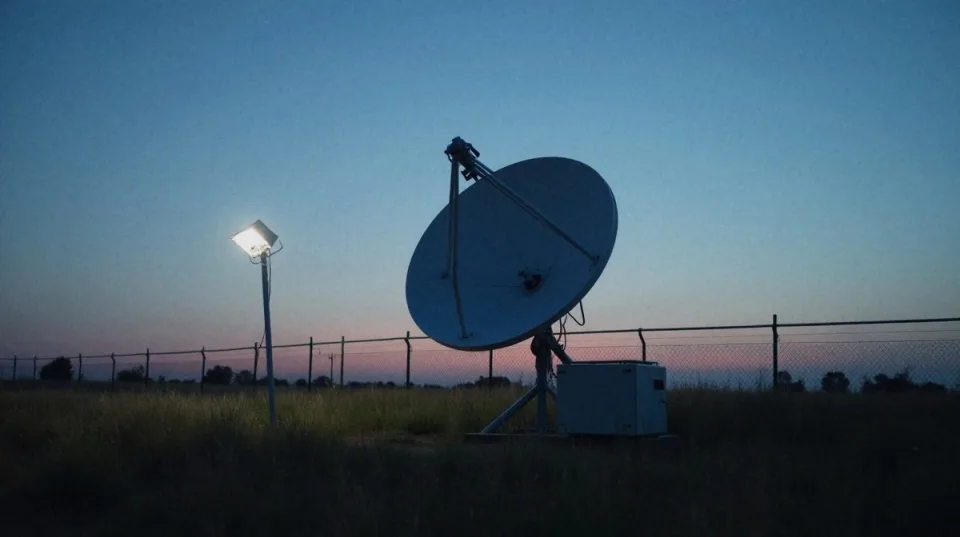
Even with strict conditions attached, the decision sets a precedent. Other commercial Low Earth Orbit (LEO) operators could seek similar authorizations, which in the amateur community's reading risks a gradual erosion of spectrum historically reserved for non-commercial, experimental, and emergency purposes.
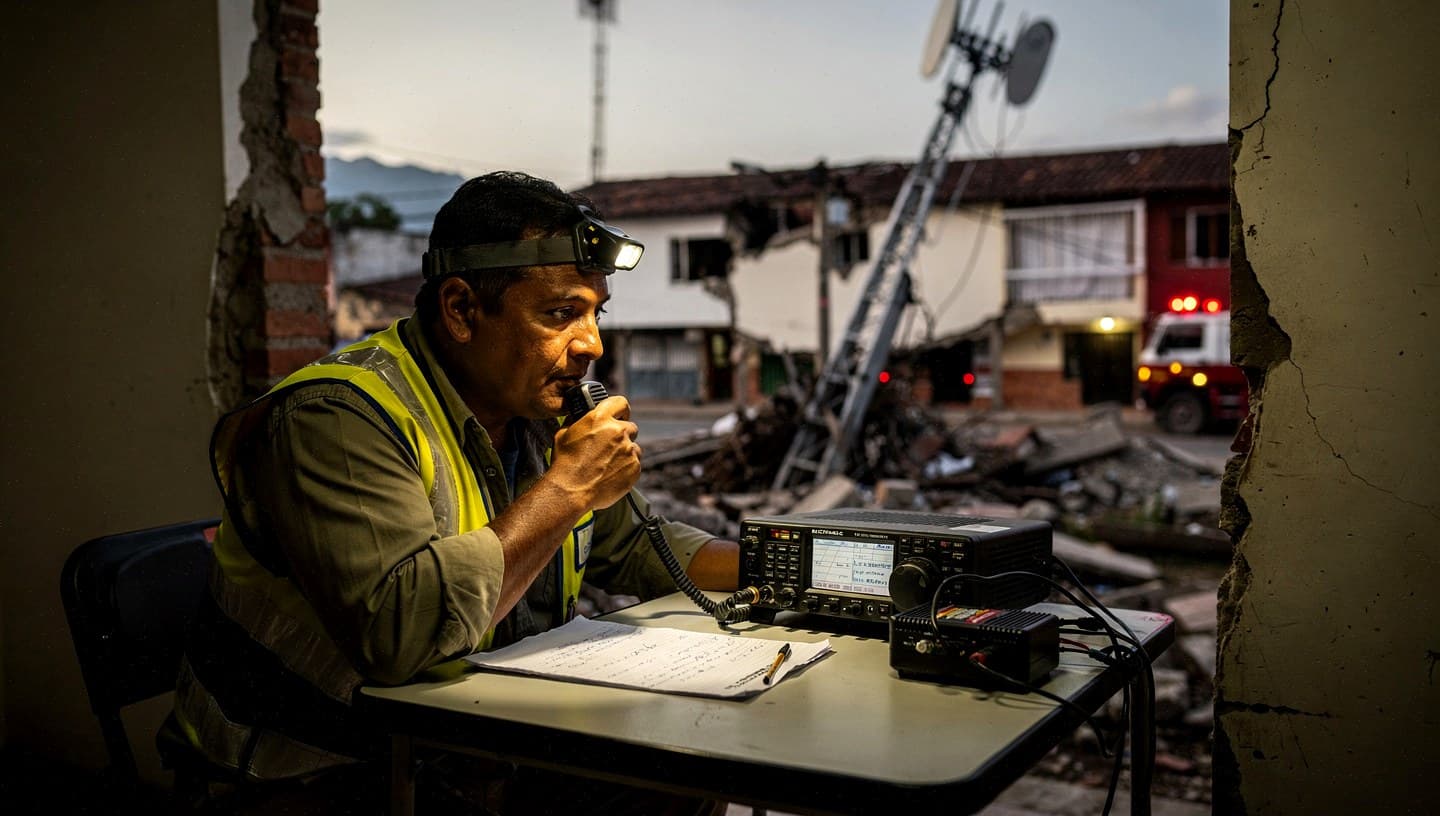
The concern extends beyond interference reports to additional consequences. One is a potential "chilling effect" on investment in amateur radio equipment and innovation, if the band's long-term reliability becomes uncertain. Another is a possible decline in volunteer emergency communications support if amateur bands become unreliable.
On top of that, the requirement for separate authorization from foreign administrations for the five specified non-U.S. earth stations adds another layer of international regulatory complexity, and the outcomes of those processes are yet to be fully seen.
The commercial clock keeps running
AST SpaceMobile has pushed its commercial Direct-to-Device (D2D) service launch to early 2027 because of launch vehicle disruptions. The emergency TT&C license debate is running alongside that schedule, and it illustrates the growing friction between rapidly advancing satellite technology and the established uses of radio spectrum.
The amateur radio community's position is that continued scrutiny is needed to protect its allocations from commercial encroachment. For operators working the 430-440 MHz band, the practical question is narrower and more concrete: whether the limits written into this license, 24-hour events, five 50 kHz channels, emergency-only use, are in fact being observed in the spectrum they share.