

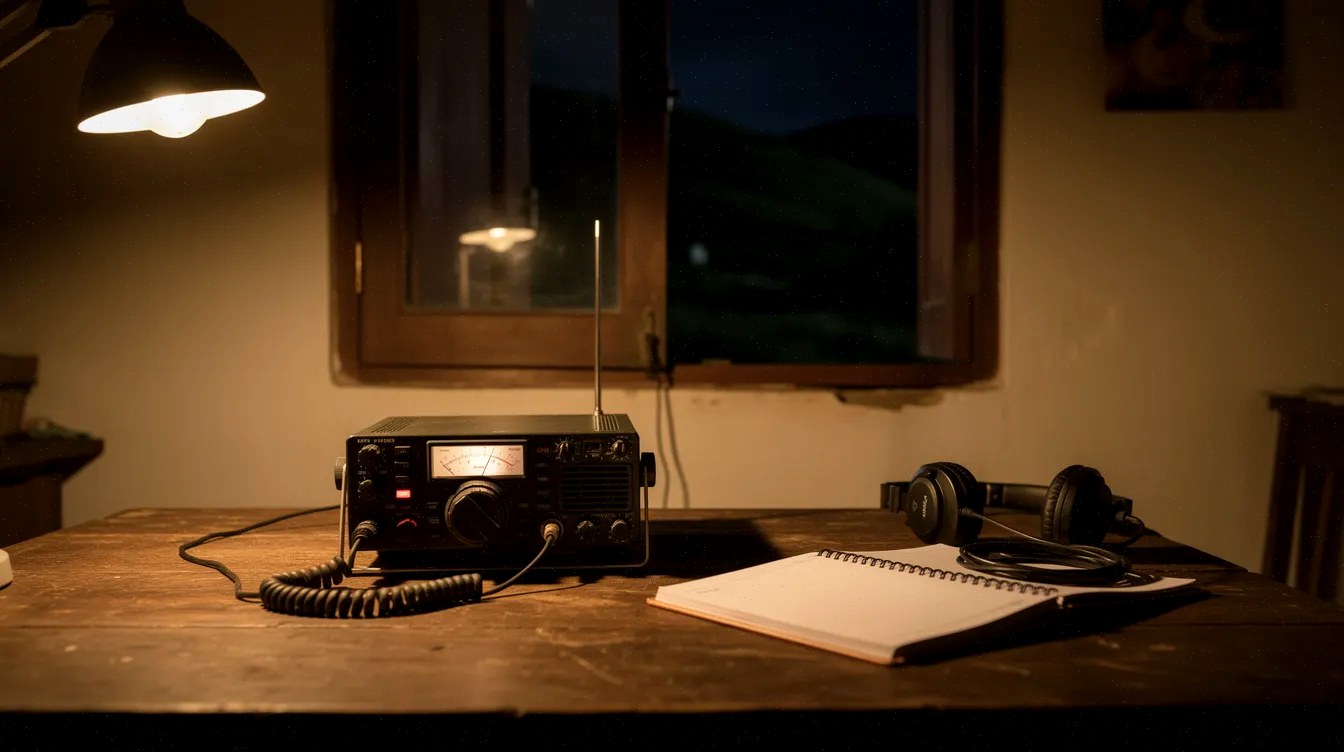
When the shaking stopped in western Colombia on August 10, 2026, the cell towers were still standing. They had simply lost power. This distinction, highlighted in the weeks following the event, provides the most valuable engineering lesson from the magnitude 7.4 earthquake, the strongest in the 21st century and the deadliest since 1999.
The epicenter sat near San José del Palmar in the Chocó department. By late August, the disaster had killed at least 331 people, injured more than 4,600, and left 240 missing. More than 200,000 homes were damaged, with over 36,000 destroyed completely. Sixteen departments and nearly 500 municipalities were severely impacted.
The satellite service became a "genuine lifeline" for residents, aid organizations, and emergency responders.
— Reporting on Starlink's emergency role after the August 10, 2026 quake in Colombia
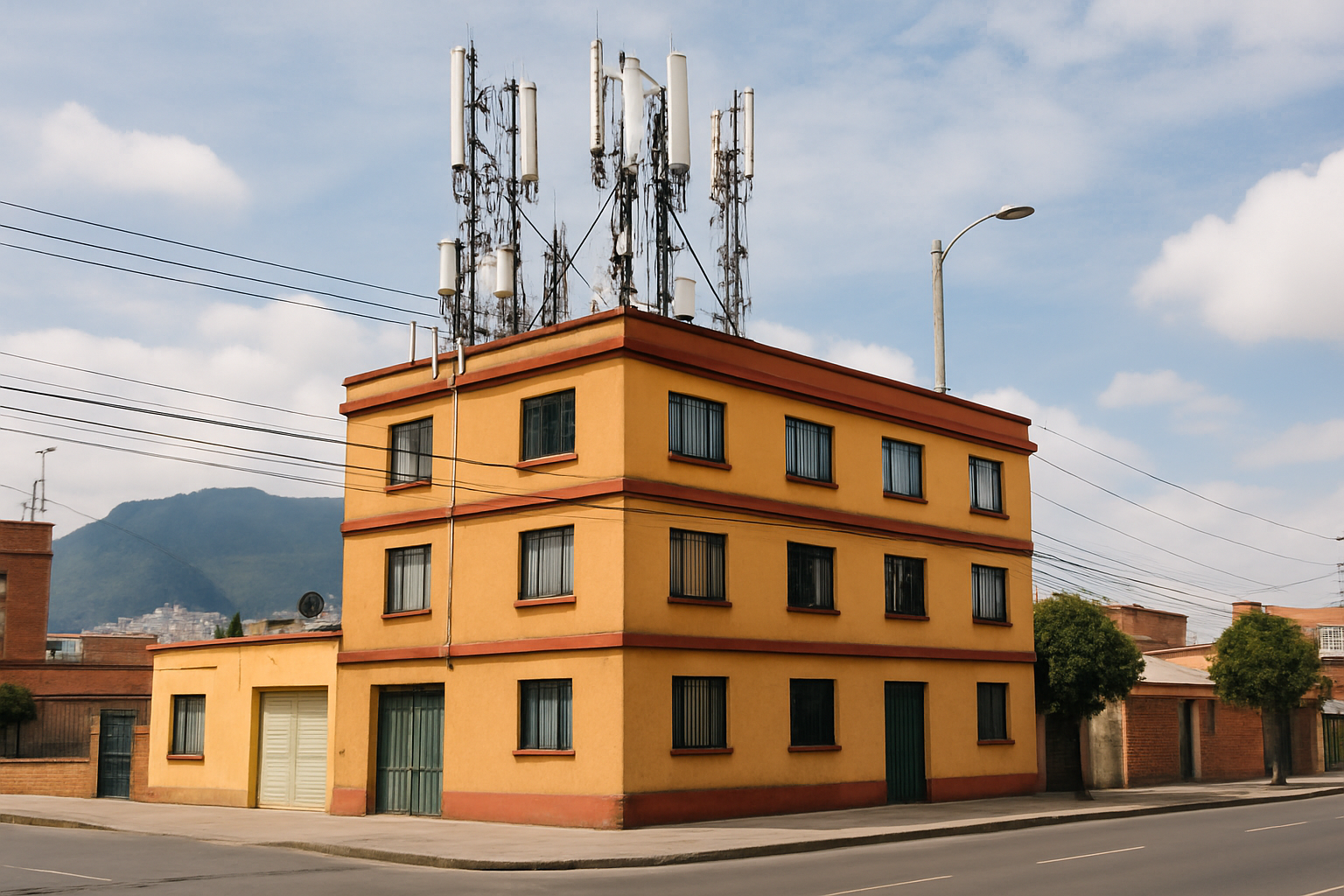
On the network side, 46% of mobile base stations across seven departments went offline, and roughly 18% of national power demand was affected. The mobile failures were primarily attributed to power outages rather than to seismic shaking, which exposes a policy gap: Colombia has no minimum backup-power requirement for network sites.
- Expect power loss, not shaking, to be the failure that takes commercial networks down.
- Repeater sites with solar panels and battery banks restored service at 3,600 meters on Cerro Campanario.
- Shared sites pay off: ASOREC's repeaters and co-located services returned within 15 minutes.
- Plan for multi-day activations: the LCRA network ran 124 hours before releasing frequencies.
- Anticipate congestion as a separate failure mode from physical damage.
A site with no battery reserve and no generator autonomy drops off the air the moment the grid does, taking voice and data with it.
That is the operating environment in which amateur radio stopped being a hobby and started being infrastructure.
Back on the air in 15 minutes
The Liga Colombiana de Radioaficionados (LCRA), Colombia's national amateur radio association, activated its emergency network and deployed members alongside the Colombian Red Cross.
Volunteers from Liga Radio Quindío climbed Cerro Campanario, at 3,600 meters altitude, to restore repeater stations using solar panels and batteries. Those repeaters served amateur traffic and municipal risk management systems on the same hardware, which multiplied the value of a single climb when roads were damaged.
The Asociación de Radioaficionados del Eje Cafetero (ASOREC) reactivated its repeaters, and those of other services sharing the site, within 15 minutes of the quake, despite initial backup power failures at the location.
The LCRA National Emergency Network operated for 124 uninterrupted hours before releasing the emergency frequencies for local use. That span is worth noting, because restoring permanent ground-based infrastructure is a much slower process than restoring a repeater.
The failure chain the quake exposed
Three cascading failures pushed traffic onto the amateur bands.
First, power. Without a mandated backup-power floor for cell sites, an outage that a battery bank could have ridden out became a multi-hour blackout across a wide area.
Second, congestion. Networks that survived physically still had to absorb a surge of calls and data, and the ones that stayed up failed under the load.
Third, physical damage. Commercial cellular and internet infrastructure took hits to towers and backhaul that no amount of generator fuel could work around quickly.
Amateur radio addressed all three issues because it operates independently of the commercial grid, public internet, and commercial backhaul. A repeater running on solar and battery, or an HF station with a wire antenna, keeps working when the rest of the chain does not.
Politics, transparency, and who got help
The government response, led by President Abelardo De La Espriella, who took office just days before the earthquake, faced significant criticism. Opposition lawmakers and former president Gustavo Petro accused the administration of politicizing international aid, alleging it declined offers from ideologically unaligned countries and prioritized others.
Concerns about transparency followed after detailed disaster data was reportedly pulled from public view. Humanitarian assistance was reportedly concentrated in larger cities, failing to adequately reach remote and vulnerable Indigenous and Afro-Colombian communities that were already grappling with chronic poverty and conflict.
Starlink's free satellite internet service, which was deployed rapidly to five of the hardest-hit departments, expired on September 12, 2026. Usage had spiked by approximately 40% during the emergency. Its cessation raises concerns about sustained connectivity for hundreds of thousands of people, since permanent ground-based infrastructure restoration is a much slower process.
That connectivity gap is exactly the window in which volunteer radio can still matter most.
The recovery math
The quake landed on top of pre-existing vulnerabilities. In Colombia, 9.1 million people already required humanitarian assistance because of ongoing conflict, displacement, and limited basic services.
The long-term recovery effort is projected to cost over 30 trillion pesos, approximately $9.7 billion, or 1.5% of GDP, and could take up to five years. A month after the quake, 1.2 million people still required humanitarian assistance. The psychosocial impact, including anxiety, acute stress, and fear of aftershocks, also remains a critical concern for survivors.
What the Colombian activation teaches
A repeater on a mountain with a solar panel and a battery pack is not a nostalgia project. In Chocó, Quindío, and the Eje Cafetero, it was the layer that stayed up when 46% of base stations in seven departments did not, when 18% of national power demand was affected, and when a satellite service that had become a lifeline shut off on September 12, 2026.
The policy conclusion sits where the source material puts it: resilient infrastructure, transparent governance, and equitable disaster response are the long-term fixes. Colombia's lack of minimum backup-power requirements for network sites is a concrete, fixable gap, and it is the reason a power outage became a communications emergency.
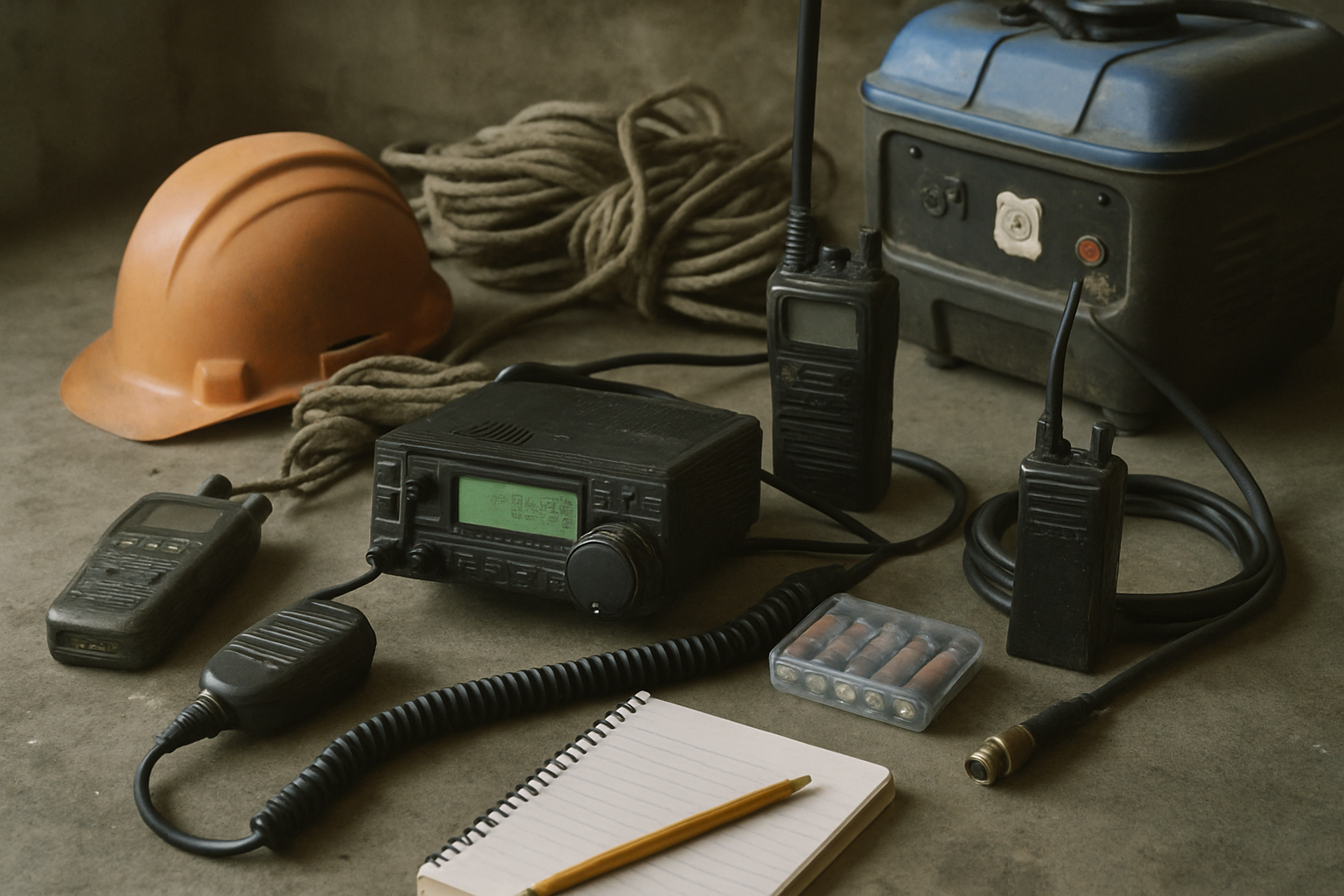
Amateur radio's contribution was a stopgap, but a measurable one: 15 minutes to restore shared repeaters, 124 hours of continuous emergency net operation, and a set of HF and VHF frequencies held clear by operators worldwide so relief traffic could get through. For anyone building an SDR, a go-box, or a solar repeater, the Colombian response is the case study: design for the grid going away, not for the ground moving.
Filed under
Editorial writes and edits for this publication.
Sources52 · open list
- keahl.com
- time.com
- financecolombia.com
- wikipedia.org
- care.org
- usembassy.gov
- reliefweb.int
- iom.int
- arrl.org
- iaru-r1.org
- arnewsline.org
- w5ias.com
- icqpodcast.com
- usembassy.gov
- twiar.net
- iom.int
- reliefweb.int
- unocha.org
- directrelief.org
- directrelief.org
- latamjournalismreview.org
- iaru-r1.org
- time.com
- worldvision.org
- directrelief.org
- usembassy.gov
- wikipedia.org
- latinarepublic.com
- un.org
- care.org
- arrl.org
- keahl.com
- icqpodcast.com
- ragsclub.org
- arnewsline.org
- schoharieamateurradio.org
- youtube.com
- greenleft.org.au
- miami.edu
- elpais.com
- reliefweb.int
- keahl.net
- iaru-r1.org
- americares.org
- doctorswithoutborders.org
- directrelief.org
- ifrc.org
- earthquakeradar.io
- wikipedia.org
- allquakes.com
- wikipedia.org
- youtube.com